

Feeding your Maine Coon a healthy, balanced diet is key to helping them live a long and happy life. Maine Coons are the largest domestic cat breed. This means they have unique nutritional needs. It’s especially important to focus on protein, healthy fats, and the right portion sizes.
In this guide, we’ll cover everything you need to know about Maine Coon diet and nutrition. This includes what foods to feed and how much to feed. We will also provide tips for maintaining your Coonie’s optimal weight and health.
You’ll discover some facts about nutrition. You will also travel through the experience of different food trials with Sassy Koonz. These trials involve their pets, their breeding cats, and their kittens.
We have Maine Coon Kittens for Sale! Visit the kittens page and see the latest litter.
Why a High-Protein Diet is Essential for Maine Coons
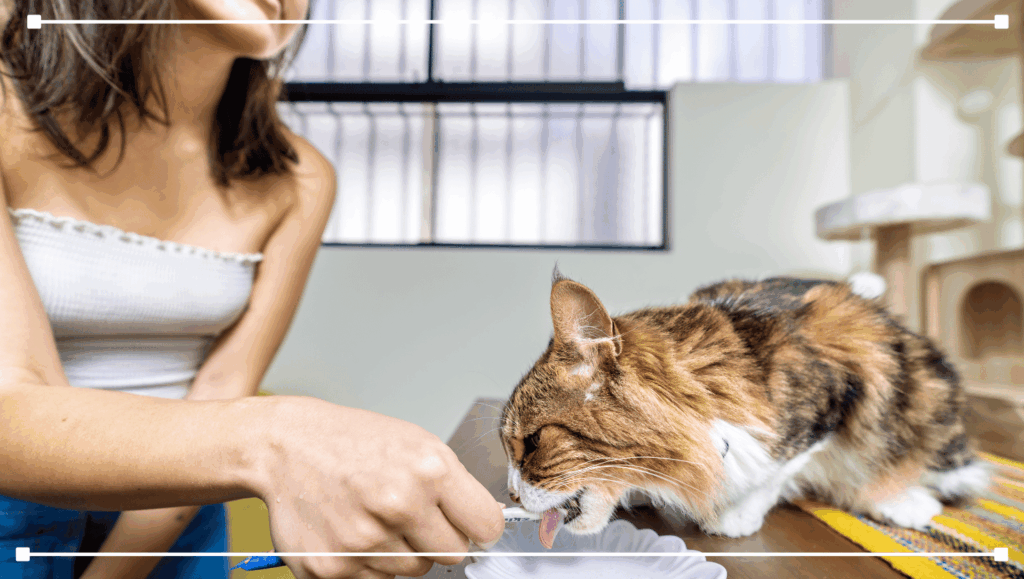
Maine Coons are obligate carnivores, so their bodies are built to thrive on a diet rich in animal protein. Unlike omnivores, cats cannot digest large amounts of plant matter. They need specific nutrients found only in meat, such as taurine, arginine, and vitamin A. A high-protein diet helps your Maine Coon maintain lean muscle mass. This diet is especially important for these big, active cats. It gives them the energy to stay playful and healthy.
Look for cat foods where the first ingredient is a quality source of animal protein. Examples include chicken, turkey, fish, or beef. Avoid foods that list fillers like corn, wheat, or soy as primary ingredients. These fillers offer little nutritional value for cats. High-quality protein keeps your Maine Coon’s muscles strong. It also contributes to a shiny coat and overall vitality.
Metabolism of the Maine Coon Cat
Maine Coons have a slower metabolism compared to smaller cats. It’s worth noting that they continue growing for a longer period, often up to 3-4 years old. This means they benefit from diets that support sustained growth and energy without excessive calories that could lead to obesity.
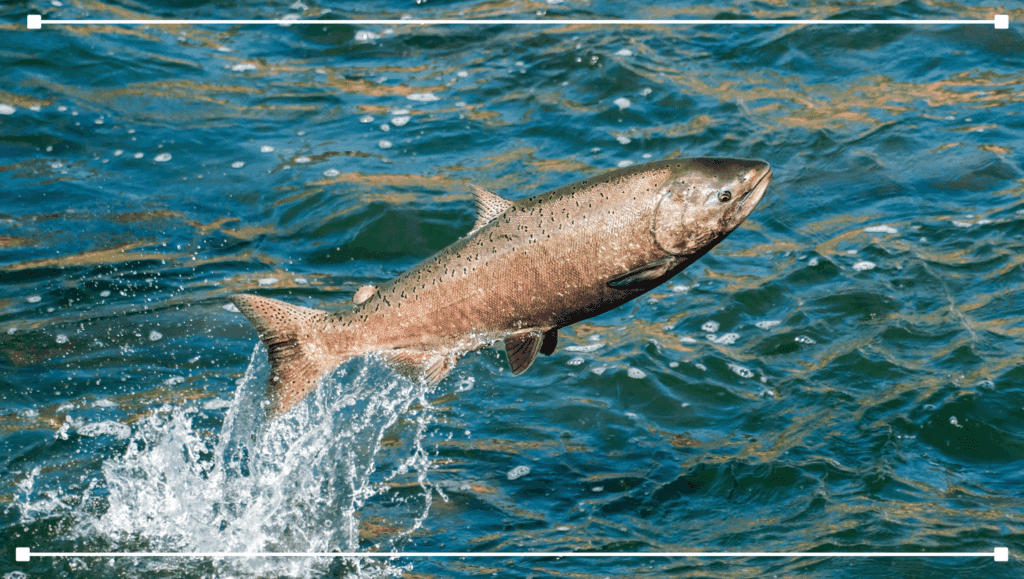
Protein should make up a significant portion of their diet, with fats providing extra energy. Healthy fats, such as omega-3 fatty acids from fish oil, are great for Maine Coons’ skin and coat health. You can include them through their food or supplements. Focus on protein-rich foods. Your Maine Coon’s large size and active lifestyle require it for the best health.
I use Vetoquinol Triglyceride Liquid Omega 3 Supplement for my Maine Coons. I squirt it onto their food every day. They all seem to enjoy it. No-one turns their nose up at it. In fact, some bed for it like it’s salt and pepper on a steak.
Wet Food vs. Dry Food: Which is Better for Your Maine Coon?
One common question among Maine Coon owners is whether to feed wet food, dry food (kibble), or a combination. The answer isn’t one-size-fits-all – it depends on your cat’s preferences, health needs, and your lifestyle.
Pros and Cons of Wet Food
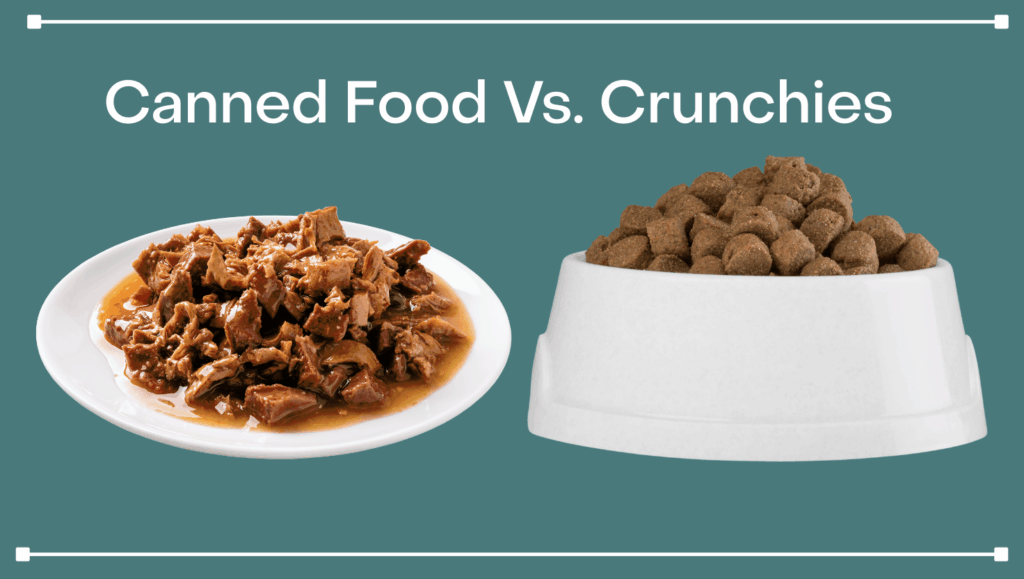
Wet food (canned or pouched) has a high moisture content. This can be beneficial for hydration. It is especially helpful for cats that don’t drink enough water. This extra moisture can support urinary tract health. This is important for Maine Coons. They may be prone to issues like kidney problems or bladder stones.
Wet food is typically higher in protein. It is lower in carbohydrates than many dry foods. This aligns well with a cat’s natural dietary needs. Many Maine Coons enjoy the taste and texture of wet food. It can entice a picky eater to eat. Wet food can also encourage a senior cat to eat.
| Canned Food Pros | Canned Food Cons |
|---|---|
| High Moisture Content | Inconvenient At Times |
| Supports Urinary Health | More Expensive than Dry Food |
| Higher Protein Content/Lower Carbs | Spoils in a few hours |
| Aligns Well with Dietary Needs |
Pros and Cons of Dry Food
On the other hand, dry food (kibble) offers convenience. It can be left out for free-feeding. Some owners of grazers appreciate this. Kibble can also help with dental health to a degree. The act of crunching may reduce tartar buildup. However, it’s not a substitute for proper dental care. Not all kibbles are created equal. Some commercial dry foods are high in carbohydrates and fillers, which can lead to weight gain if not portion-controlled.
If you feed kibble, choose a high-quality, grain-free or limited-ingredient formula. Ensure it still lists animal protein as the first ingredient. It’s also important to monitor your Maine Coon’s weight if free-feeding kibble, as they can overeat and become overweight.
| Dry Food Pros | Dry Food Cons |
|---|---|
| Convenient | High in Carbohydrates |
| Might Help With Dental Health | Could Cause Obesity |
| Less Expensive than Canned |
The Happy Medium: Dry and Wet Food Combination
Many experts (and breeders) suggest a combination of wet and dry food for Maine Coons. Wet food should be given once or twice a day for protein and moisture. A measured amount of kibble should be available for grazing or crunch time. This approach can offer hydration and nutrition from wet food. It also provides the convenience and dental benefits of dry food. Always ensure fresh water is available, especially if your Coon eats mostly dry food.
How Much to Feed a Maine Coon
Determining how much to feed your Maine Coon can be a bit tricky because every cat is different. Factors like age, weight, activity level, and metabolism all affect their calorie needs. As a general guideline, an adult Maine Coon may require about 25 to 35 calories per pound. They need this daily based on their body weight. This depends on their activity level.
For example, a 15-pound moderately active adult might need around 375-525 calories daily. In comparison, a larger 20-pound male might need 500-700 calories daily. These numbers are estimates – you’ll need to adjust based on your individual cat’s condition.
It’s always best to follow the feeding guidelines on the cat food packaging as a starting point. Then, tweak portions to maintain a healthy weight. Many premium cat foods have feeding charts (e.g., “feed X cups per day for a cat of Y pounds”).
How Many Times Per Day Should a Maine Coon Eat?
Most adult cats do well with two meals per day. For instance, morning and evening are good times. This is especially true if they are not free-fed kibble. Maine Coons, being large, might appreciate slightly larger meals or an extra snack. Kittens, on the other hand, have smaller stomachs and higher energy needs. They should be fed 3-4 small meals a day until they are about 6 months old. Gradually reduce to two meals a day as they mature.
If you’re feeding kibble, some owners choose to leave a small amount out all day for grazing. Be mindful of total intake. Overfeeding can quickly lead to obesity in Maine Coons, which can exacerbate joint issues given their size. A good practice is to measure your cat’s food rather than free-pour, to make sure you’re not giving too much. Use a kitchen scale or standard measuring cup, and remember that treats count as calories too!
Best Foods for Maine Coons (Brand Recommendations and Diet Types)
Here’s a breakdown of diet types and some recommendations:
- High-Quality Commercial Kibble: Look for a premium dry food formulated for all life stages or for large breed cats. Brands like Royal Canin (which has a Maine Coon formula designed to support their bone and joint health), Blue Buffalo Wilderness(grain-free, high protein), or Wellness CORE are often recommended by breeders and vets. These foods typically have real meat as the first ingredient and balanced nutrition. Avoid generic supermarket kibbles that are high in fillers. If your Maine Coon is prone to weight gain, consider a formula for indoor or weight control, which is lower in calories.
- Wet Food: Canned food can be a great staple or supplement. Brands such as Hill’s Science Diet, Royal Canin, Blue Buffalo, Tiki Cat, or Weruva offer high-protein, meat-based wet foods. Many Maine Coon owners mix wet food with kibble to increase protein and moisture. You can choose pates or chunks in gravy depending on your cat’s preference. If your Maine Coon has specific needs (like urinary health), there are prescription or over-the-counter wet foods tailored for that (e.g., formulas with controlled magnesium for urinary health).
- Raw Diets: Some owners feed a raw food diet to their Maine Coons. This diet is biologically appropriate raw food, or BARF. It consists of raw meats, bones, and organs. A raw diet can be very high in protein and closely mimics what cats would eat in the wild. Advocates claim it leads to shinier coats, better dental health, and more energy. However, raw feeding requires careful planning to ensure a balanced diet. This includes necessary supplements like taurine. It also comes with food safety considerations, such as handling raw meat. If you’re interested in raw feeding, consult with a vet or a feline nutritionist to formulate a balanced diet. It’s not a decision to be taken lightly, but many Maine Coon owners do it successfully. Always source high-quality, human-grade meat and follow safe handling practices.
- Homemade Diets: Similar to raw, some people cook homemade meals for their Maine Coons. This could be a cooked meat recipe with added vitamins and minerals. Again, balance is critical – cats have specific nutrient requirements (like taurine, which is only found in animal tissue). There are recipes you can use. However, it’s wise to work with a veterinary nutritionist. They will help create a recipe that meets all your cat’s needs. Homemade diets can be a good option if done right, but they require commitment and knowledge to avoid nutritional deficiencies.
- Specialty and Limited-Ingredient Diets: If your Maine Coon has food sensitivities or allergies, you might try a limited-ingredient diet. Choose a diet with a single protein source. Use minimal other ingredients. Alternatively, consider a hydrolyzed protein diet prescribed by a vet. Some Maine Coons may thrive on novel proteins like venison or duck. This is especially true if they have sensitivities to more common proteins. Always introduce new foods gradually to avoid digestive upset.
Cool Tool to Research Cat Food Brands
Here is a tool that I highly recommend. I’ve spent hours researching different food brands. I’ve looked at both kinds I’ve used and brands I’m interested in. I wanted to see how they compare. This is a very comprehensive guide and I do appreciate that this was published. This will open to the Royal Canin research tab, but you can search for any cat food brand known to man.
No matter which diet you choose, consistency and quality are important. Many breeders, including Sassy Koonz, start their kittens on a specific diet and recommend continuing it to avoid GI issues.
What Kind of Treats can I give my Maine Coon?
When it comes to treats, choose cat-specific treats that are formulated for feline nutrition. Treats should make up no more than 10% of your cat’s daily calories. Consuming too many can lead to weight gain. It also risks causing a nutritional imbalance. Here are some good treat ideas:
- Freeze-dried meats/chicken hearts
- Dental Treats
- Cooked Chicken (plain)
By avoiding the dangerous foods and sticking to a high-quality diet, you’ll be keeping your Maine Coon safe and healthy.
What do Sassy Koonz Kittens eat?
Sassy Koonz kittens start eating kitten food at 4-5 weeks old. They are introduced to Purina One Healthy Kitten kibble. Additionally, they are given Purina One Kitten canned food. There is also a rotation in the cattery of Fancy Feast, Royal Canin, Instinct, and Weruva.

By the time they go home they’re used to both wet and dry food. This makes the transition to their new home easier. You can certainly switch to another brand of cat food if you prefer. Do so slowly by mixing in the new food gradually over a week or two.
Make sure any food you feed is appropriate for your cat’s life stage. Kittens need a growth formula higher in calories and certain nutrients.
Foods to Avoid Feeding Your Maine Coon
Just as important as knowing what to feed your Maine Coon is knowing what not to feed them. Some human foods and even certain cat food ingredients can be harmful or toxic to cats. Here’s a list of foods and substances to avoid:
- Toxic Human Foods: There are several common human foods that are toxic to cats and should never be given. Chocolate contains theobromine, which is poisonous to cats (can cause vomiting, diarrhea, rapid breathing, seizures, and even death). Onions and garlic (in any form – raw, cooked, powder) can damage a cat’s red blood cells, leading to anemia. Grapes and raisins are also toxic and can cause kidney failure in cats. Xylitol, an artificial sweetener, is found in sugar-free gum and some foods. It is extremely dangerous for cats (and dogs). It causes insulin release and possible liver failure. Alcohol and caffeine are also off-limits – even small amounts can cause serious illness. Keep these items well out of your Coon’s reach.
- Dairy Products: Many adult cats are lactose intolerant, and Maine Coons are no exception. Feeding milk, cream, or cheese can lead to digestive upset like diarrhea or vomiting. While the image of a cat lapping up milk is classic, in reality most adult cats cannot digest lactose properly. If you want to give a dairy treat, there are lactose-free cat milks available commercially that are safe in moderation.
- Raw Eggs or Raw Fish (in excess): A raw diet might include raw meat. It’s worth noting that raw eggs contain an enzyme (avidin). This enzyme can interfere with biotin (a B vitamin) absorption in cats. Raw fish can contain thiaminase. Thiaminase is an enzyme that destroys thiamine (vitamin B1). Occasional small amounts are unlikely to cause issues. However, as a regular part of the diet, they could lead to deficiencies. If feeding raw, ensure proper supplementation. Be cautious with fish. Some types like tuna, if fed in large quantities regularly, can cause nutritional imbalances. They can also result in mercury issues. It’s fine as an occasional treat, but not a staple.
- Bones (cooked): If you’re giving your cat bones (for example, in a raw diet), they should be raw. Cooked bones can splinter and cause serious injury to a cat’s digestive tract. Only feed raw, meaty bones under supervision if at all, and avoid cooked bones entirely.
- Highly Processed or Sugary Foods: Foods high in sugar or carbohydrates are not suitable for cats. This includes items like bread, pasta, or sugary snacks. Cats don’t have a nutritional need for carbs, and excess sugar can lead to obesity and dental problems. Some junk foods might also contain ingredients that are bad for cats (like salt or artificial additives). Stick to cat food. Use approved cat treats instead of sharing your chips or cookies with your Coon.
What Is Obesity in Maine Coons?
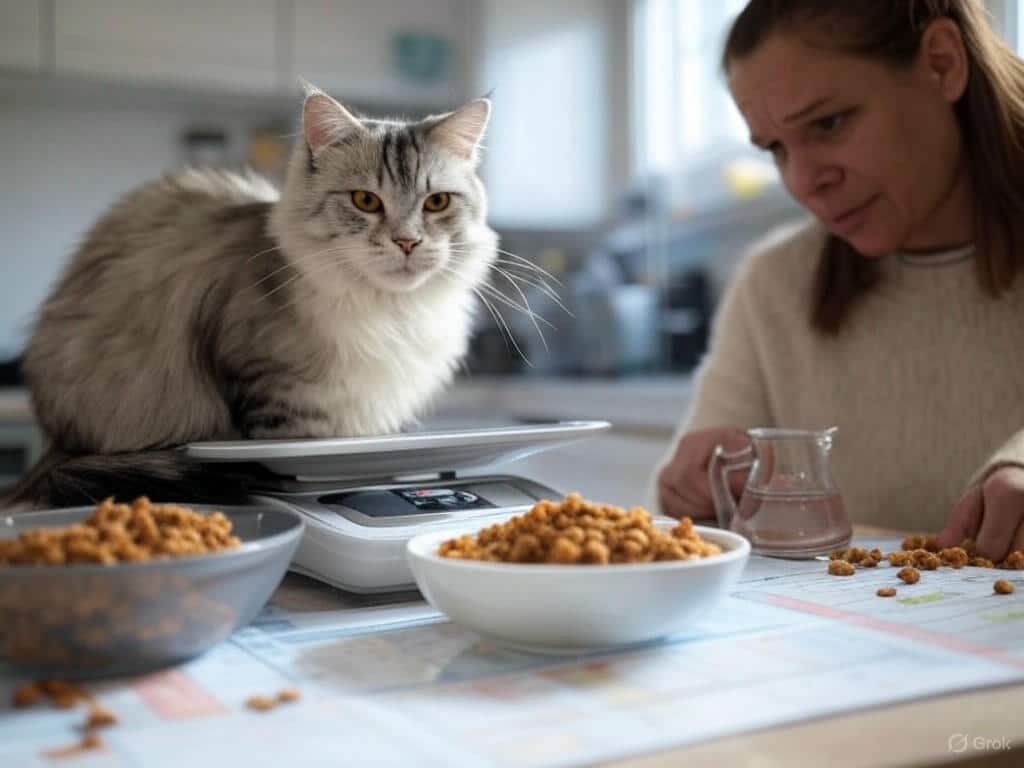
Obesity in Maine Coons occurs when a cat’s body weight exceeds its ideal range by 20% or more. This typically means over 25 pounds for males and 20 pounds for females. Their large, muscular frames can make excess weight hard to spot, as it often hides under their thick fur.
Why Maine Coons Are Prone to Obesity
Maine Coons are more prone to obesity than cats of a more slender build like a Siamese or Abyssinian. They have huge appetites and can even be “fans of table food. “foodies”, which describes a cat that likes to share meal time with its humans. Foodies often beg for foods high in fat content. These include ice cream, butter, and even macaroni and cheese.
A Maine Coon that’s a foodie can be entertaining. However, it can also pose a risk for the cat to become overweight. The metabolism slows down as the cat matures, but the inner foodie probably doesn’t.
Many pet parents will free-feed their cats, especially those that aren’t at home the majority of the time. This can also be risky, since the cat can access as much food as he desires.
Health Risks of Obesity in Maine Coons
There are some standout health risks linked to overweight Maine Coons. The main ones that come to mind are:
- Arthritis
- Hip Dysplasia
- Heart disease
- Diabetes
Any cat is at risk of developing any of these conditions. Being overweight or obese greatly increases the chances. This is due to the strain on the body and the organs. Sadly, an obese cat’s life expectancy is reduced by 2 to 4 years. This is in comparison to a cat of a healthy weight.
If you notice that your Maine Coon is overweight, then intervention is key. Look for signs that include a cat that struggles to jump. Watch if they waddle when they walk. Check for fat pockets on their chest. Check to see if their sides bulge out when you look at them from the top.
Body Scoring Chart for Cats
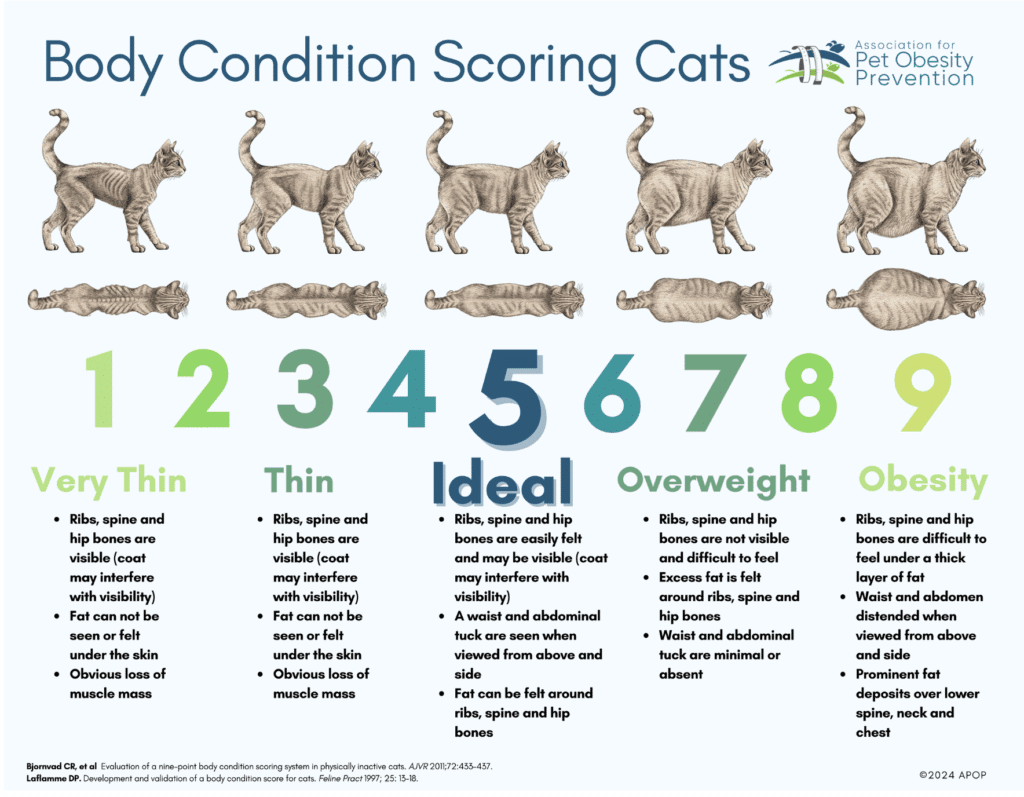
The body condition scoring (BCS) chart for cats helps you assess your cat’s weight. You can determine if your cat is underweight, at an ideal weight, or overweight by examining its physical traits). Here’s how to interpret it based on the visual and tactile cues:
- Understand the Scale:
- 1-3: Underweight – Cats scoring 1 to 3 are too thin. A score of 1 means the cat is emaciated. The ribs, spine, and hip bones are prominently visible. They are easily felt with no fat cover. At 3, ribs are still visible but with a slight fat cover.
- 4-5: Ideal Weight – This is the healthy range. At 4, the cat has a slight waistline when viewed from above. Ribs are felt with a thin layer of fat. At 5, there’s a more defined waistline, and the abdomen tucks up slightly when viewed from the side.
- 6-9: Overweight to Obese – Scores of 6 and above indicate excess weight. At 6, the waistline is less visible, and ribs are harder to feel due to a thicker fat layer. By 9, the cat is obese. It has a rounded abdomen and no waistline. The sides are bulging and there are fat pockets on the chest or belly.
- Visual Assessment:
- From Above: Look at your cat from a top-down view. An ideal cat (BCS 4-5) has a slight hourglass shape, with a visible waistline behind the ribs. If the sides bulge out or there’s no waist, the cat may be overweight (BCS 6-9). If the waist is overly tucked and the ribs are visible, the cat might be underweight (BCS 1-3).
- From the Side: Check the abdomen’s shape. An ideal cat has a slight abdominal tuck (the belly curves upward toward the hind legs). A straight or sagging belly suggests overweight (BCS 6-9), while a sharp tuck indicates underweight (BCS 1-3).
- Tactile Assessment:
- Feel the Ribs: Run your hands along your cat’s sides. In an ideal cat (BCS 4-5), you can feel the ribs with a slight fat covering. It should be similar to the back of your hand—present but not protruding. If the ribs are hard to feel under a thick fat layer, it may be due to “fat pockets on the chest”. The cat is likely overweight (BCS 6-9). If the ribs feel like your knuckles, with no fat cover, the cat is underweight (BCS 1-3).
- Check the Spine and Hips: Gently feel along the spine and hip bones. In an ideal cat, these are felt with a thin fat layer. If they’re prominent and sharp, the cat is underweight. If they’re buried under fat, the cat is overweight.
Diet Strategies for a Healthy Weight
Helping your Maine Coon maintain a healthy weight is primarily in the diet. Just like with humans, a healthy diet will keep your cat functioning at its optimal level and weight. The choices of what to fed your cat are plentiful. It’s easy to get caught up in the marketing hype of some of the cat brands on the shelf. Learn to do your research and you’ll be able to make good choices for your cat.
Choosing the Right Food
Before we dive into specific brands and feeding methods, let me be clear: I’m not a veterinarian. I am also not a pet nutritionist. I’m simply a Maine Coon breeder. I have tried various diets over the years. I learned what works best for my cats and my lifestyle.
It’s recommended that you feed your Maine Coon a high protein, low carb diet. If you can find one that’s made for large breed cats, even better! Shoot for 40% protein content and less than 10% carbohydrate.
✔ Look at the ingredients list—the first few should be real meat.
✔ Avoid fillers like corn, wheat, and soy—cats are obligate carnivores.
✔ Consider your budget and convenience—some diets are expensive or time-consuming.
✔ Watch your cat’s health and digestion—the best food is the one they thrive on!
The general guidelines for caloric intake for a cat is 20-25 calories per pound of ideal body weight. If your cat is overweight, then you’ll feed him the calories for ideal weight, not current weight. You can find calorie content on all cans and bags of cat food.
Portion Control and Feeding Schedules
To control calorie intake for your cat, feed your kitty 2 to 3 times per day instead of allowing free-feeding. While some cats do perfectly fine free-feeding themselves- some overdo it. These are the ones that become chubby.
If you get any begging behavior, split the meals up into even smaller portions to mimic natural hunting patterns.
Exercise Routines for Maine Coons
Maine Coons are very interactive cats. They love to play, hunt, and engage in activities. The ideas are endless when it comes to playtime. The goal should be to play with your cats for 10-15 minutes twice per day. Use feather wands, laser pointers or even catnip bubbles to stimulate their minds and bodies.
I recently bought the catnip bubbles for the kittens. I quickly realized that the adults were also intrigued by them. Now when I open the bottle and start blowing bubbles, all of the cats gather and want to play.
Offering enriching toys and activities to your cat will keep them active,resulting in a lean and healthy Maine Coon.
Monitoring Progress and Working with a Vet
Weight gain typically happens slowly, and it may be hard for you to recognize at first. Taking your Maine Coon for annual health exams helps monitor the weight of your cat. It also assesses the body condition score year after year.
If your working on helping your cat lose weight, you can do chubby checks to monitor progress. A digital baby scale is a great tool to weigh your cat at home. Aim for no more than 1% loss of body weight per week.
My Personal Experience with an Overweight Maine Coon
This section speaks to me personally because I struggled with a Maine Coon that was obese. He was my pet (Biggie) and I love him so much. He was just the sweetest cat. He loved his people. He purred so loudly. Despite his 30 pound stature, he loved to sleep on my head.
Biggie started to get pudgy when he was around 11 months old. He stayed pudgy his whole life, even after I acknowledged it and took steps to help control his weight. He never reached his ideal body score. He was definitely a foodie and did not govern himself accordingly.
Biggie passed away of a heart attack at 9 years old. I blame myself, since he was overweight. But I also know that Maine Coons suffer from HCM at a higher rate than any other cat. So’ll never truly know if his weight contributed to his heart problem. Nevertheless, it was still a wake up call for me.
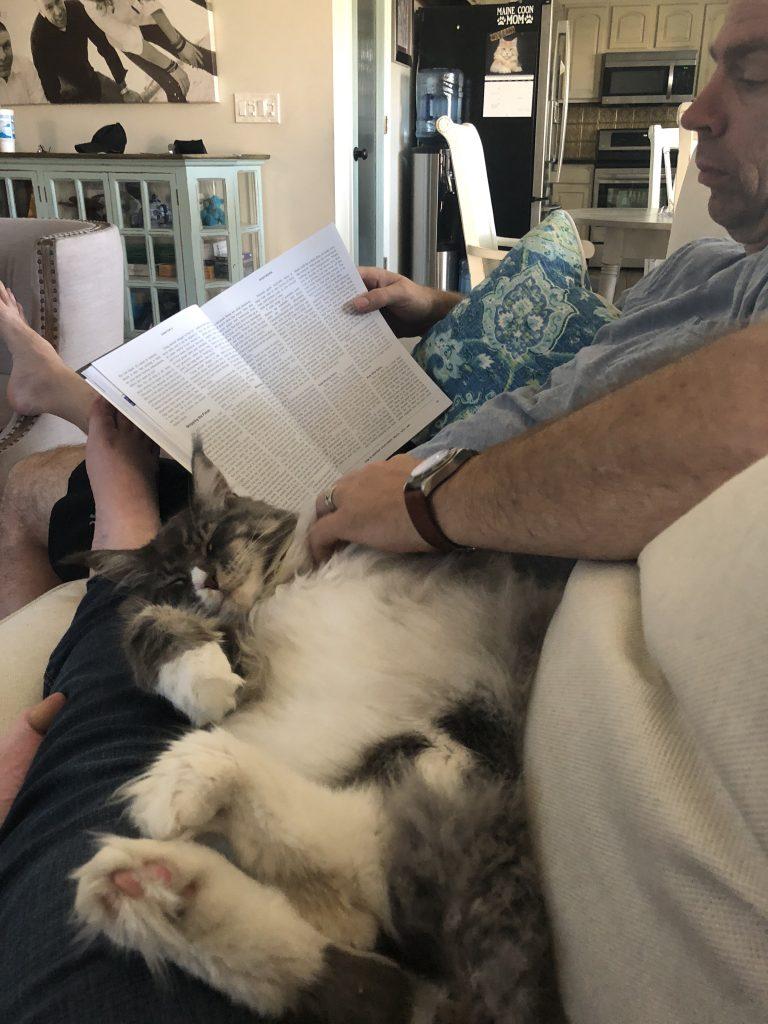
Since Biggie passed away earlier in 2025, I’ve been a stickler about monitoring the cats’ weights and body condition scores. They all look very good right now. They’re lean and active. I think their diet has a lot to do with it. I’m still working on getting all of my cats to eat 100% canned food. However, as you probably know, not all cats will just switch like that. They hold their protest signs up and would rather just starve.
Since switching their food to mostly canned, I’ve noticed changes in both activity levels and coat quality. One of my cats (Omega) has had fur that has tangled and matted his whole life. That isn’t the case anymore. I’ve not had to detangle or shave any mats out in months! He also sheds way less. If your Maine Coon has mats, this definitely something to consider.
Tips for Maintaining a Healthy Weight in Your Maine Coon
One of the biggest challenges for Maine Coon owners is preventing obesity. These cats have hearty appetites and a tendency to pack on pounds if not monitored. However, maintaining a healthy weight for your Maine Coon is crucial. It helps prevent joint problems. It also helps in preventing diabetes and other health issues.
Here are some tips to maintain a trim, healthy Coon:
- Measure Food and Avoid Overfeeding: As mentioned earlier, use a measuring cup or scale to portion out your cat’s food. It’s easy to accidentally give an extra scoop, but those extra calories add up. If you free-feed kibble, consider switching to scheduled meals to have better control over intake. You can still leave a small amount out if needed, but measure that as well. Being mindful of portion sizes is one of the most effective ways to prevent weight gain.
- Use Puzzle Feeders or Slow Feeders: Maine Coons are intelligent and can get bored easily. They also eat quickly, which can lead to overeating. Using a puzzle feeder or slow feeder bowl for their kibble can slow them down and make mealtime more engaging. This not only helps with weight management (they eat slower and feel full sooner) but also provides mental stimulation. You can hide small portions of their food around the house. This allows them to “hunt” for it, turning feeding into an enriching game.
- Provide Plenty of Exercise: A healthy diet must be paired with regular exercise. Maine Coons are playful and often enjoy interactive toys, fetch, or climbing. Set aside time each day for play sessions. Use a wand toy, laser pointer, or ball to get your Coon running and jumping. Having a cat tree or climbing structure can also encourage them to be active on their own. Exercise will help them burn off excess calories and maintain muscle mass. A fat Maine Coon is an unhealthy Coon, so keep them moving!
- Monitor Body Condition Regularly: Check your cat’s weight and body condition monthly. You should be able to feel their ribs without a thick layer of fat. They should also have a visible waist. If you notice your Maine Coon starting to feel “round,” it’s time to cut back on food slightly. Increase exercise if their waistline is disappearing. Conversely, if they’re too thin, consult your vet to rule out any health issues and adjust their diet accordingly. Regular vet check-ups are important. Your vet can weigh your cat. They can also give advice if your cat is outside the healthy range.
- Limit Treats and Table Scraps: It can be tempting to give in to those big, pleading eyes. However, excessive treats contribute to weight gain. If you want to give treats, opt for low-calorie options or break them into smaller pieces. Also, avoid feeding table scraps that are high in fat or calories (like meat trimmings or cheese). Remember that even a few extra treats a day can add up over time. It’s better to give love and play as rewards rather than food, whenever possible.
- Consider a Weight Management Food if Needed: Is your Maine Coon already overweight? Discuss with your veterinarian about switching to a weight management cat food. These formulas are lower in calories and fat. They are also higher in fiber. This can help your cat feel full while losing weight. They often also have added joint support nutrients which can be beneficial for a large breed like Maine Coons. Weight loss should be gradual (about 1-2% of body weight per week) to be safe and healthy. Your vet can help you with a weight loss plan.
- Hydration is Key: Ensure your Coon always has access to fresh water. Sometimes thirst can be mistaken for hunger. A water fountain might entice them to drink more. Proper hydration supports their metabolism and overall health.
By following these tips, you can help your Maine Coon keep an ideal weight. This can avoid the myriad of health problems linked with obesity. Remember that Maine Coons are prone to certain issues. They experience problems like hip dysplasia and HCM. Keeping them trim will reduce the strain on their joints and heart. A healthy weight also means they’ll be more agile. They will stay playful well into their senior years. This is a joy for both of you.
Signs of a Nutritionally Balanced Diet in Your Maine Coon
How can you tell if your Maine Coon is getting the right nutrition? There are several signs of a healthy, well-fed cat:
- Shiny, Healthy Coat: A nutritionally balanced diet, rich in the right fats and proteins, will manifest in your Coon’s coat. A healthy Maine Coon should have a glossy, soft coat with no excessive dandruff or dryness. If their diet is lacking, you might notice a dull, brittle coat or even hair loss. The old saying “you are what you eat” certainly applies – quality food equals a beautiful coat .
- Good Muscle Tone: Your Coon should maintain strong muscles, especially in their hindquarters and shoulders. They should feel solid and not have excessive fat covering their muscles. When you run your hands along their body, you should feel a firm musculature beneath a thin layer of fat. A balanced diet with adequate protein will support this muscle development.
- Steady Energy Levels: A well-fed Maine Coon will have plenty of energy for play and exploration. They should be alert, curious, and willing to engage in activities. If they’re lethargic, it could be a sign of an improper diet. Low energy might also indicate an underlying health issue. On the flip side, hyperactivity could indicate they’re not getting enough satiety from their food. Restlessness might also occur, though Maine Coons are naturally playful regardless.
- Healthy Weight and Body Condition: As discussed, your cat should be at a healthy weight. They should not be too thin. They should also not be overweight. Their ribs should be palpable, and they should have an obvious waist. A balanced diet will help keep them in this ideal condition. If you’re feeding the right amount of a high-quality food, you won’t need to adjust portions drastically. This helps keep them in their ideal condition.
- Regular, Firm Stools: Diet has a direct impact on your cat’s digestive health. A balanced diet (especially one with the right fiber content) should result in regular bowel movements that are well-formed. If your Maine Coon’s stool is loose, it might be a sign of dietary imbalance. Very hard stools might indicate food intolerance. Consistency in stool quality is a good indicator that their diet suits them.
- Good Dental Health: Diet isn’t the only factor in dental health. Feeding some kibble or dental treats can help keep tartar down. A balanced diet will also support strong teeth and gums. If your Maine Coon’s teeth are in good shape and they don’t have excessive bad breath, that’s a positive sign.
- Overall Vitality and Health: Perhaps the biggest sign is that your Maine Coon just looks and acts healthy. They have bright eyes, clean ears, and a good appetite (but not ravenous to the point of begging constantly). They keep a normal grooming routine, and their immune system is strong (fewer illnesses). A diet lacking in essential nutrients can lead to issues like poor wound healing. It can cause a weakened immune system or other health problems over time. Seeing your cat thrive is a testament to good nutrition.
If you ever have concerns that your Maine Coon isn’t thriving on their current diet, consult your veterinarian. You can also see a feline nutritionist. They can help you decide if a change is needed. It’s also wise to have annual vet visits. During these visits, your cat’s weight and condition are assessed. Your vet can then give feedback on whether the diet is appropriate for your kitty.
What Does Your Maine Coon Cat Eat?
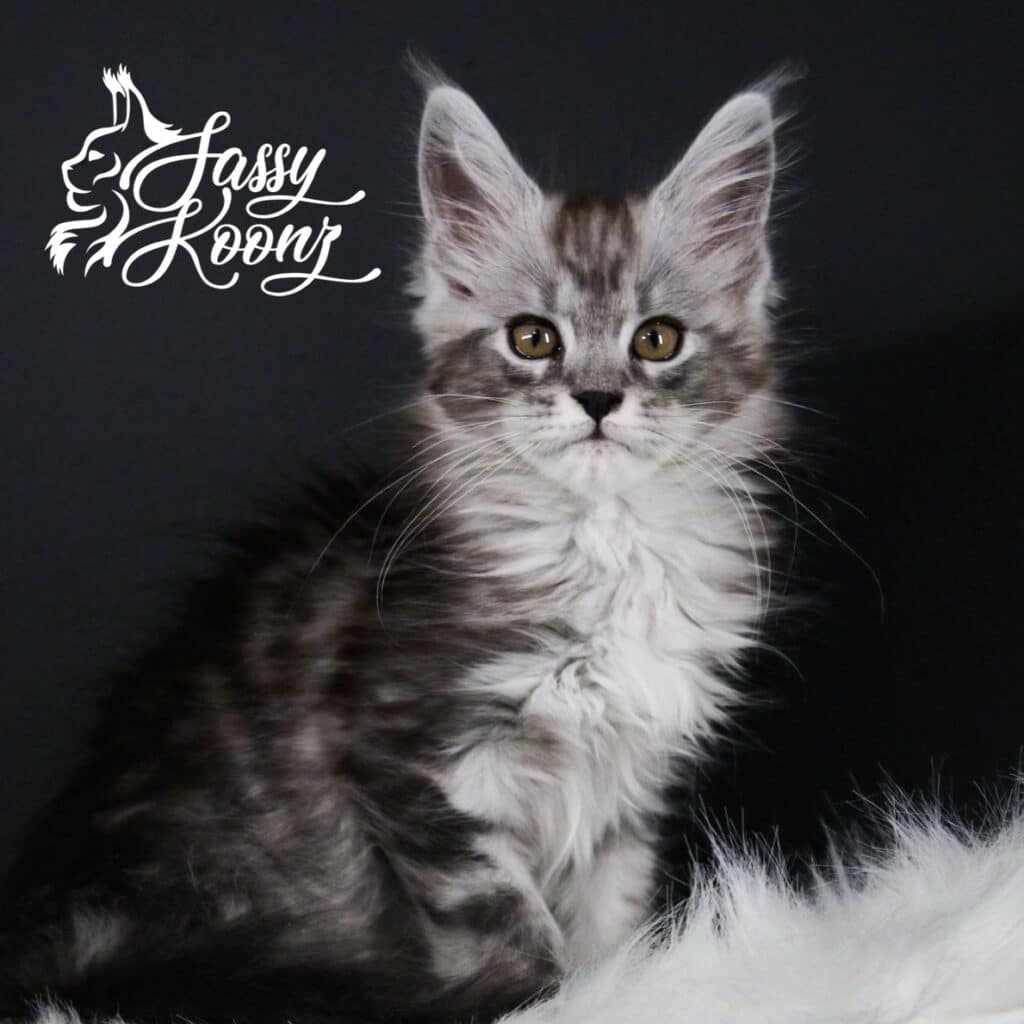
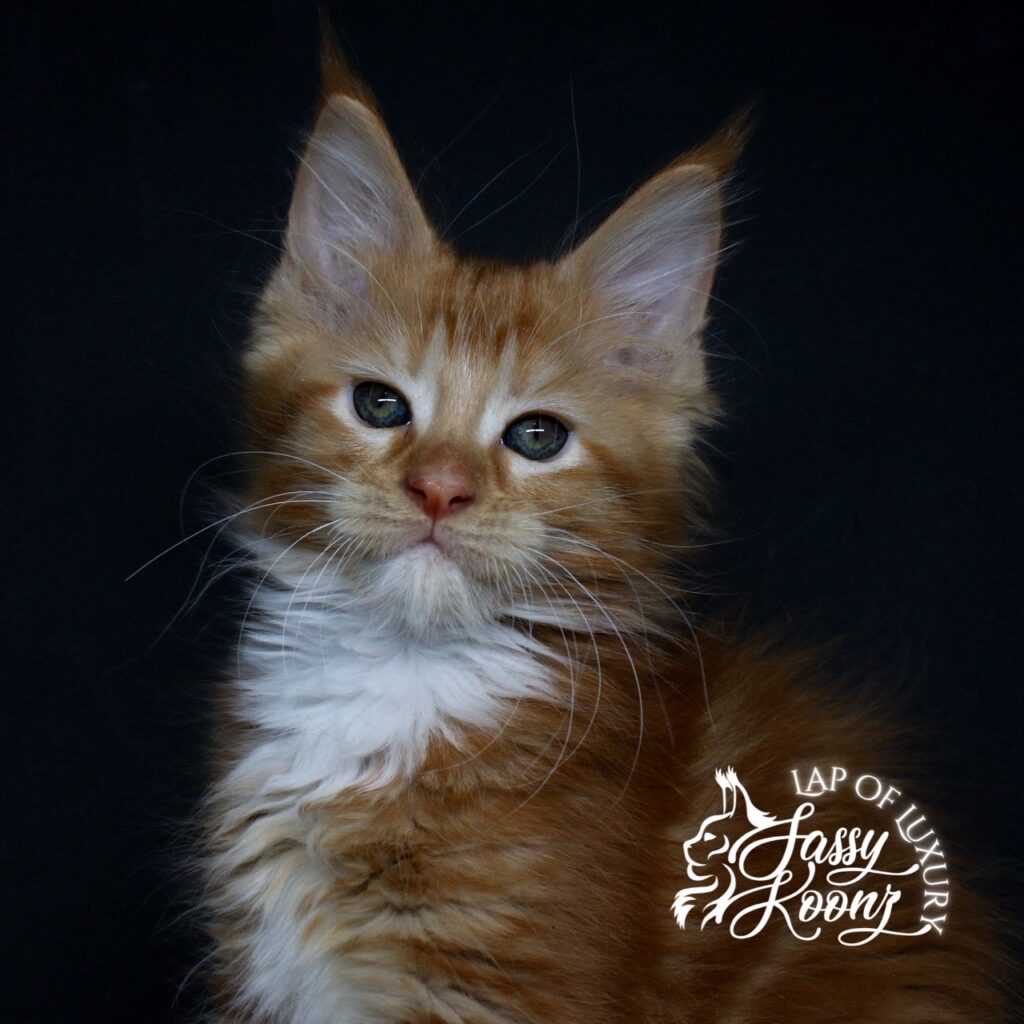
This is one of the most common questions people ask me! Now it’s time for you to answer it for me! Leave a comment and tell me what kind of food your coonie eats. Tell me some facts:
- Does your Maine Coon have special dietary needs?
- Is your Coonie overweight? Underweight?
- How old is your Maine Coon? Do you feed it age appropriate food?
- What are your favorite brands?
Discover more from Sassy Koonz Maine Coon Cattery
Subscribe to get the latest posts sent to your email.


